Skip to content
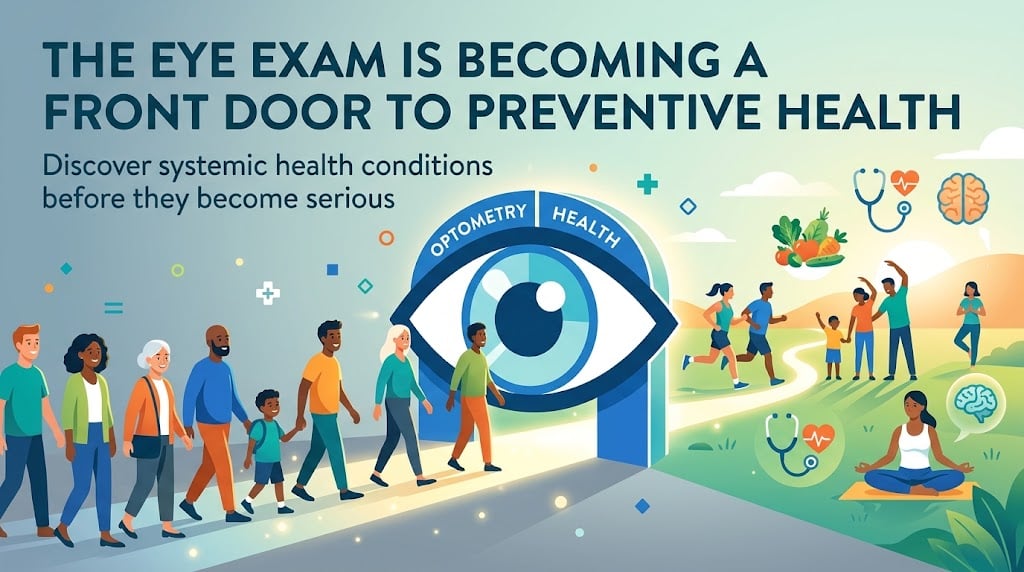

As retinal imaging and artificial intelligence reveal more about overall health, traditional vision benefits face growing pressure to catch up.
For generations, the annual eye exam has occupied a familiar place in American healthcare. Patients read letters from a chart, updated a prescription, and perhaps selected new frames before returning to their daily lives. The appointment mattered, but vision benefits largely treated it as the first step toward purchasing glasses or contact lenses.
That understanding is becoming outdated.
Advances in retinal imaging, scanning technology, and artificial intelligence are helping clinicians identify signs associated with diabetes, heart disease, stroke risk, and other health conditions. The eye exam is increasingly valuable not only for correcting vision, but also as an entry point for preventive care.
The question now facing brokers, employers, insurers, and vision providers is whether benefit design will evolve alongside the examination itself.
Looking Beyond the Allowance
Frames, lenses, and contact allowances remain important. Vision products can become expensive quickly, and employees notice the value of benefits they regularly use. Yet an attractive materials allowance alone may no longer define a strong vision plan.
As examinations become more medically informative, the services surrounding them carry greater weight. Retinal imaging and other advanced diagnostics may help clinicians recognize health concerns earlier and guide patients toward appropriate follow-up care. That broader role changes how employers should assess a plan’s annual value.
Don Railsback, OD, CEO of Vision Care Direct, has built a company that focuses on the full picture rather than the monthly rate alone. The company is doctor-led, and brings the provider perspective into its coverage offerings. Vision Care Direct believes in meeting members where they are at, knowing that vision care is a lifetime expense. Annual needs should be viewed with an annual lens, with options that work for all.
When Vision and Medical Care Converge
The growing clinical power of eye care also challenges a long-standing division within the benefits industry. Vision plans traditionally cover routine exams and corrective products, while medical benefits address disease and broader health risks. AI and advanced diagnostics make that boundary less distinct.
Some insurers are already responding. This year, Aetna added enhanced in-network benefits for federal plan members with Type 1 or Type 2 diabetes. The coverage pays 100% of the cost for retinal imaging, extended ophthalmoscopy, and scanning laser testing.
That change reflects a wider recognition that an eye appointment may contribute to the management of conditions extending well beyond vision. As these capabilities grow, benefit providers may need to determine which screenings belong within routine eye care, how findings connect to medical follow-up, and how plans can support clinicians without creating unnecessary barriers.
Employers Will Expect a Clearer Health Value
Employers evaluating vision benefits may soon ask more demanding questions. Instead of focusing primarily on premiums and product allowances, they may want to know whether employees can access useful diagnostic services, whether providers receive sustainable reimbursement, and whether the plan connects eye health with overall health.
Vision Care Direct approaches that challenge through flexible, membership-based plans designed to expand access while giving clinicians greater say in the services and materials they provide. For Railsback, preserving the patient-doctor relationship remains essential as technology changes the field.
The annual eye exam is unlikely to remain a narrow vision check. As it becomes a more meaningful part of preventative care, the strongest vision benefits will be those that recognize what the appointment can now reveal, not simply what patients can purchase afterward.