Skip to content
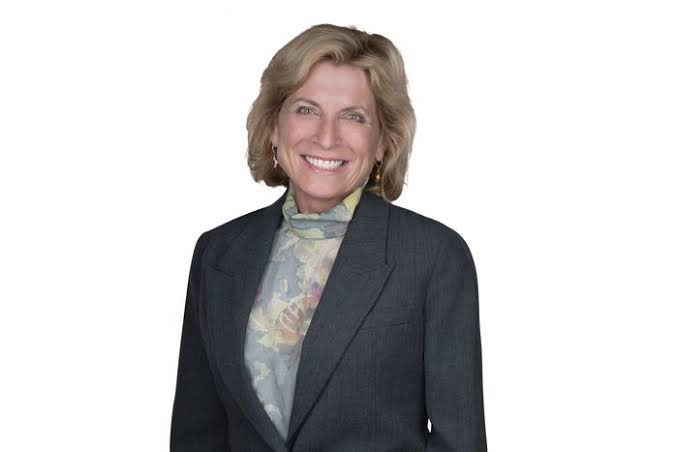

The healthcare executive and policy expert argues that AI can only improve American medicine if the country first fixes the fragmented data systems feeding it.
A Data Problem Before an AI Problem
Artificial intelligence may be advancing quickly, but Lynn Barr believes healthcare is still missing something more basic: usable data.
Barr has spent decades working where healthcare delivery, reimbursement policy, and data systems meet. After a career in Silicon Valley, she earned an MPH in Health Policy from UC Berkeley and later served as CIO of a 25-bed critical access hospital that employed roughly 50 billing and coding staff to manage the complexity of insurance reimbursement.
Between 2013 and 2022, she organized hundreds of rural hospitals and thousands of rural doctors into Medicare Accountable Care organizations that paid bonuses to providers for providing better care to a million patients — and for keeping them well. To make that happen, Medicare gave her monthly reports with all of the claims submitted on those patients except for the 1-2% of people who didn’t want their information shared. She used that data to bring their quality of care to the highest levels in the country and reduced waste, fraud, and abuse by half a billion dollars.
That experience helped shape a conviction that now sits at the center of her work. If she could do that with spreadsheets, surely AI would be able to do so much more by identifying patterns, flagging risks, and reducing administrative work — but only if it can access complete, standardized information.
In her RealClearHealth op-ed, “Taking Back Control,” Barr argues that only about 10% of Americans, those enrolled in traditional Medicare, currently have claims data that can possibly be seen by doctors to improve care. The other 90% is spread across more than 1,000 private insurers, each using different formats and rules.
For Barr, that fragmentation limits what AI can realistically do.
What Better Data Could Make Possible
Barr’s proposal centers on a secure, standardized national healthcare database that would give modern AI tools a stronger foundation. With better access to consistent information, she argues, AI could help identify fraud and overbilling in real time, expose pricing disparities, support meaningful price transparency for patients, and allow researchers to study outcomes across a much larger share of the population.
Barr estimates that reforms along these lines could reduce US healthcare spending by roughly one-third, or about $1.5 trillion annually.
She made a similar case during an RFD-TV Market Day Report interview focused on rural healthcare. Provider shortages, particularly in primary care and maternal health, leave rural clinicians stretched thin. Barr argues that secure access to better patient data could allow AI to support doctors and nurses with faster information, reduce administrative burden, and help providers respond more effectively during personal and public health emergencies.
Mary’s Story
Lynn sorted her data by cost and asked local doctors to investigate unusual cases. Mary was a 72-year-old woman with chronic back pain that came to the top of the list in a small rural town. Unbeknownst to her local doctor, she had self-referred to a specialist for relief. Five surgeries later, she was in agony and unable to leave her home. The community immediately reached out to her, providing meals, transportation, physical therapy, and support, and she began to recover. Without the data, they would never have known she needed help.
Her argument about AI remains deliberately practical. The technology is much more capable of identifying patients in need than she was, but fragmented records, proprietary systems, and inconsistent claims data keep much of that capability out of reach.
The goal, as Barr frames it, is greater control for patients and providers: clearer information about what care costs, what produces better outcomes, and where money is being lost to inefficiency or fraud. And find people who need help, like the tragic number of pregnant women who don’t get prenatal care, resulting in high maternal and infant mortality rates in the developed world.
For American healthcare, Barr believes the sequence matters. The country needs the data foundation first. From there, AI-assisted healthcare can do much more of the work patients and providers already expect. People can choose not to share their data if they want, but the vast majority do want better care at lower costs and have a right to have this information available to themselves and their care team.