Skip to content
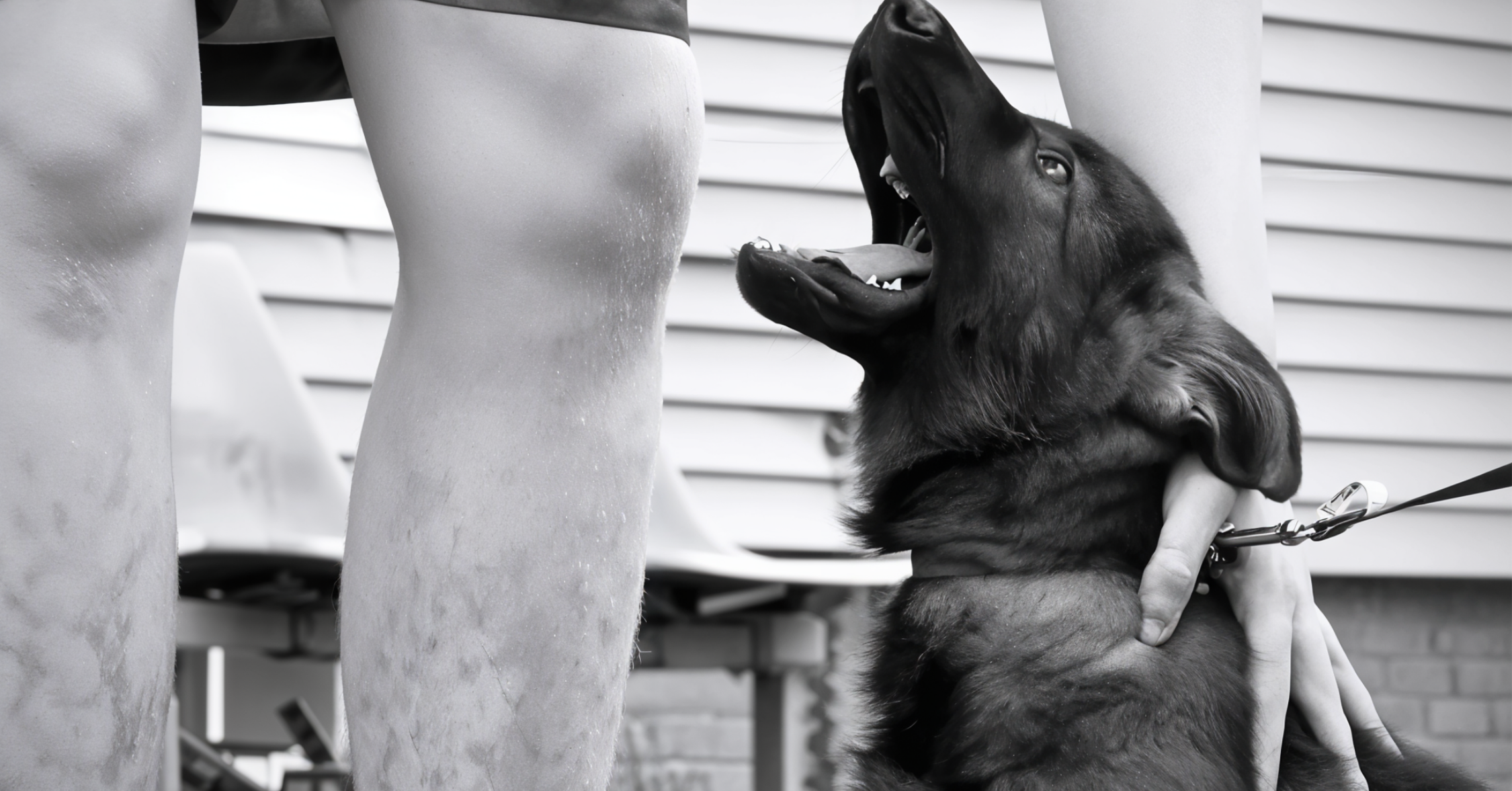

Dogs can understand human pointing gestures better than 98% of other animal species tested. But trick them once, and that skill turns against you, they’ll stop listening entirely.
Now think about the people they ignore… and the ones they seem to love instantly. That list might be more telling than you think.
Dogs Know When They’ve Been Misled
A research team at Kyoto University put this to the test, working with 34 dogs in a simple “follow the point” experiment [Takaoka et al., 2014]. First, dogs were shown a container with food and eagerly went to it. Next, the same gesture led them to an empty container. By the third round, pointing correctly again, they ignored the signal.
When a new person entered and pointed to food, trust was restored instantly. This quick switch suggests dogs are constantly evaluating our reliability, not blindly obeying.
Think about it, has your dog ever ignored you after you gave them a false cue, even as a joke? That’s not stubbornness. That’s them keeping score. Why Reliability Matters to Them
John Bradshaw from the University of Bristol says dogs are “information seekers” who thrive on consistent cues [Hogenboom, 2015]. Break that consistency and you create confusion, stress, even aggression. The American Psychological Association has also found that dogs adapt their responses quickly when human signals prove unreliable [APA, 2014].
It’s why an owner who sends mixed messages can unknowingly make their dog anxious—while a stranger who’s clear and predictable can win trust surprisingly fast.
Reading More Than Just Gestures
Brian Hare of Dognition points out that dogs evaluate our cues based on usefulness, not loyalty [Hogenboom, 2015]. If pointing leads them astray, they’ll rely on memory or observation instead.
This isn’t just about where you point. Dogs pick up micro-movements, subtle changes in posture, and vocal tone [Marshall-Pescini et al., 2017]. Those details can tip them off about someone’s mood or intent long before we notice.
Dog owner Victoria Standen knows this well. Her collie, Cassie, waits at crossroads on walks until given a clear direction. “If someone pointed the wrong way, I doubt she’d trust them again,” she says.
If they can keep track of who’s worth listening to… what else might they be noticing about the people around us?
 Are They Detecting “Bad” People?
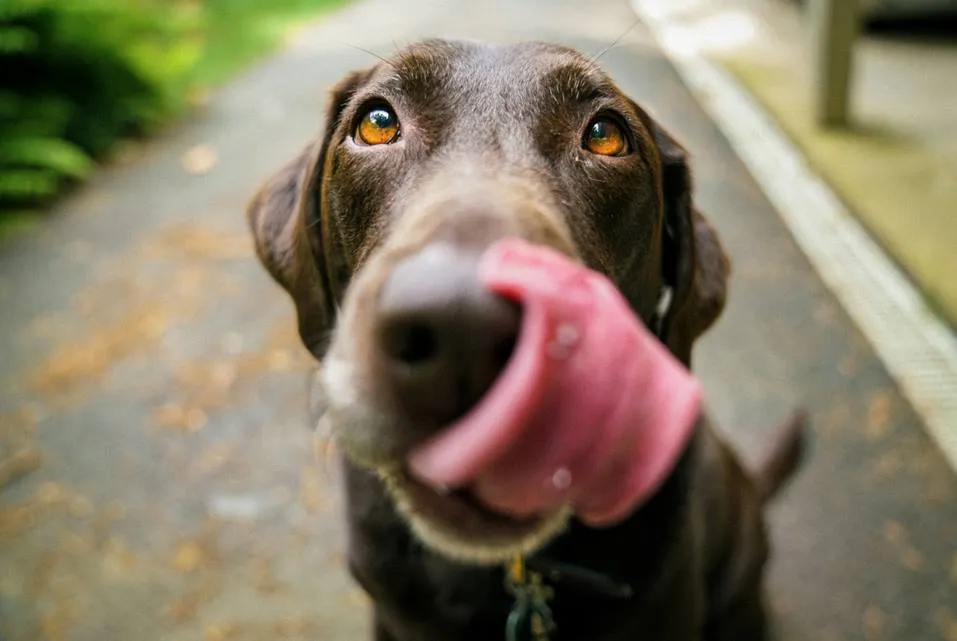
Not in the movie sense, where a growl means “villain ahead.” But research into emotional contagion between dogs and humans shows they react to emotional tones and stress signals in people [Yong & Ruffman, 2014]. If your normally relaxed dog suddenly stiffens or avoids someone, it could be reading cues you’re missing.
Likewise, an immediate, positive response may reflect body language, scent, or rhythm of movement that signals safety. Over time, these patterns shape who they choose to approach—or avoid.
Soldiers in World War I often relied on dogs not just for messenger duties, but to gauge the mood of enemy lines, reports describe dogs becoming uneasy hours before surprise attacks.
What This Means for Us
For owners, the lesson is simple: be consistent. Bradshaw warns that unpredictability erodes trust, and once it’s gone, dogs move on quickly. They don’t dwell on the past or plan for the future—they react to what’s in front of them.
They’ve been evolving alongside us for tens of thousands of years, learning to read our faces, voices, and gestures [Marshall-Pescini et al., 2017; Yong & Ruffman, 2014]. That instinct has been honed over generations.
Next time your dog reacts strongly to someone, will you shrug it off—or take a closer look?
If your dog has ever reacted strongly to someone, did it change how you saw that person? Share your story in the comments — and send this to a fellow dog owner who swears their pup has a sixth sense.
References:
- Takaoka, A., Maeda, T., Hori, Y., & Fujita, K. (2014). Do dogs follow behavioral cues from an unreliable human? Animal Cognition.
- American Psychological Association. (2014). Pointing to Differences Between Humans and Dogs in Understanding Communicative Gestures.
- Hogenboom, M. (2015). Dogs can tell if you’re untrustworthy. BBC News.
- Marshall-Pescini, S., et al. (2017). Social-Ecological Factors Influence Dog Behaviour and Cognition. Animal Behaviour.
- Yong, M. H., & Ruffman, T. (2014). Emotional Contagion: Dogs and Humans Show a Similar Response to Human Emotional Sounds. Animal Cognition.