Skip to content
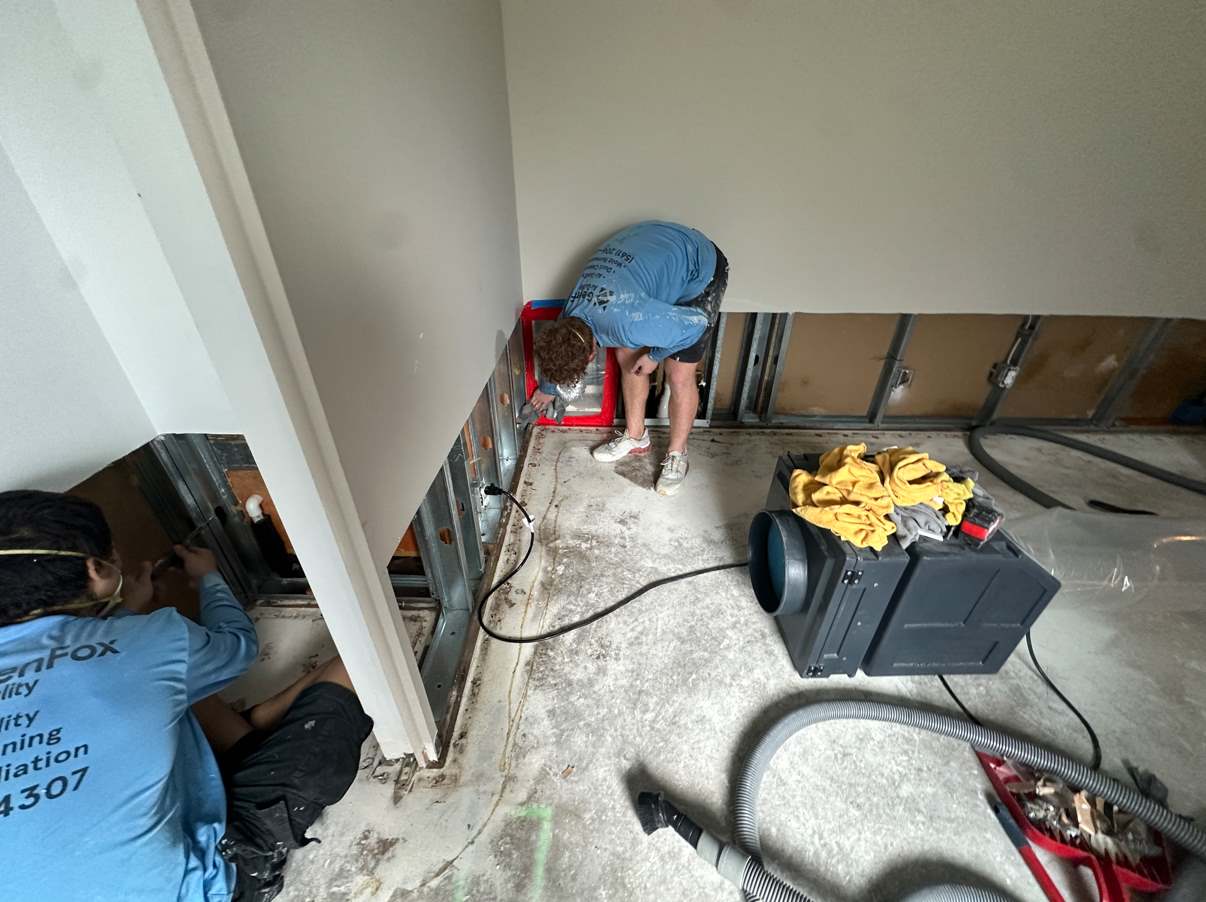
A homeowner calls after months of unexplained respiratory symptoms. The air samples from a previous mold inspection came back “normal,” but they still can’t sleep in their bedroom without wheezing. Their doctor suspects environmental exposure. The house looks fine on paper—but something doesn’t feel resolved.
In the mold and indoor air quality industry, the term medical remediation comes up often, usually in conversations where a standard answer doesn’t quite feel sufficient. Despite how frequently it’s used, the term itself is not clearly defined. There is no governing board, no licensing authority, and no universally accepted standard that formally distinguishes medical remediation as a separate discipline.
Even so, the term appears more and more, particularly in South Florida markets like West Palm Beach, where mold-related issues are common and cases are often more complex. Professionals encounter clients who aren’t just dealing with a building problem, but with health concerns that don’t fit neatly into a checklist.
In practice, medical remediation isn’t a different type of remediation—it’s a different way of approaching the work. The focus shifts toward a more comprehensive, nuanced, client-centered process when health sensitivities or psychological impacts are part of the picture.
Standard Mold Remediation: The Industry Blueprint
Standard mold remediation is guided by well-established industry documents:
- IICRC S500 – Water Damage Restoration
- IICRC S520 – Mold Remediation
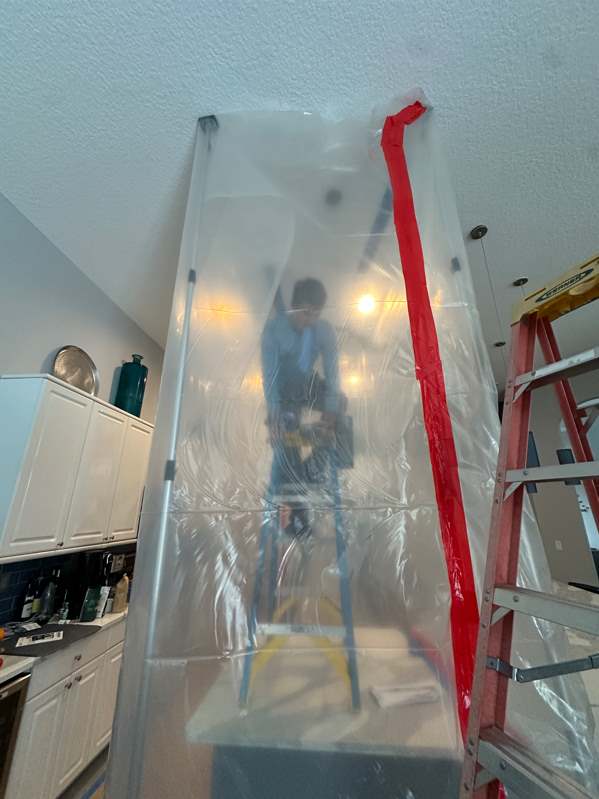
These standards form the technical backbone for most remediation projects throughout South Florida. They define how to assess contamination, establish containment, remove or clean affected materials, correct moisture sources, and verify successful remediation.
In typical scenarios—real estate transactions, post-water-loss events, or general indoor air quality concerns—this framework works effectively. The objective is to return the structure to a Condition 1 environment, meaning normal fungal ecology consistent with outdoor background levels.
For many clients, standard remediation is appropriate, sufficient, and successful.
When “Medical Remediation” Enters the Conversation
The distinction becomes important when projects involve:
- Clients referred by mold-literate or integrative physicians
- Individuals with confirmed or suspected mold-related illness
- Occupants reporting extreme sensitivity or physiological reactions
- Clients unable to occupy parts of their home despite clean air samples
In these situations, a remediation protocol that is technically correct under IICRC guidance may still fall short of what the client requires to feel safe, healthy, and confident returning home.
This is where medical mold remediation—particularly as discussed in West Palm Beach—shifts the focus from standard compliance to enhanced execution and care.
A More Enhanced, Client-Centered Approach
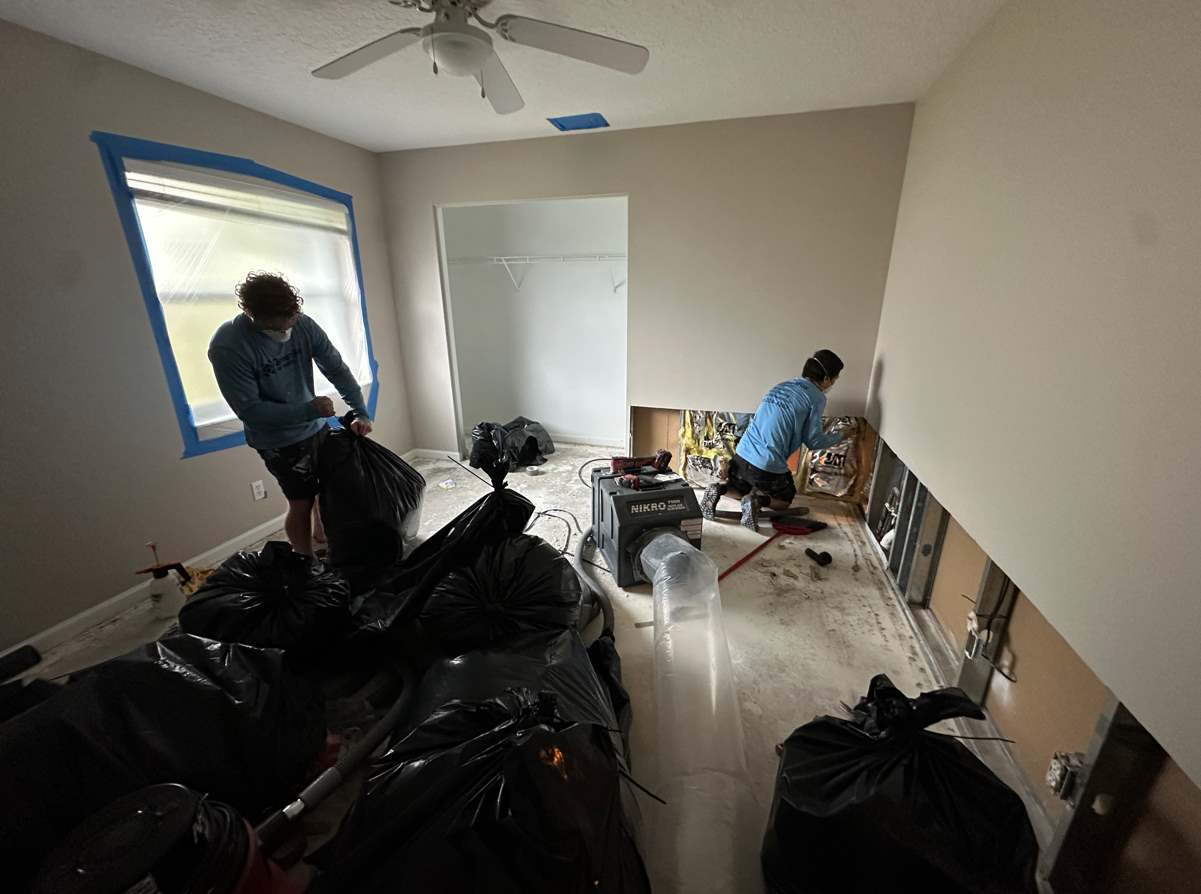
What is often labeled medical remediation is best understood as enhanced remediation, adding an additional layer of caution, and reassurance onto standard practices.
This may include:
- Deploying more HEPA air scrubbers than minimum engineering calculations require
- Requiring full occupant vacancy during remediation
- Cutting well beyond the typical two-foot rule from visible source materials
- Replacing ductwork that might otherwise be cleaned
- Removing additional insulation or finishes out of an abundance of caution
- Performing post-remediation verification before encapsulation, not just after
- Micro-cleaning areas that test clean but still trigger occupant symptoms
- Using adjunct processes such as hydroxyl or peroxide-based treatments
While some of these measures exceed what IICRC S520 strictly requires, they are often necessary to meet medically sensitive clients where they are—both physically and emotionally (peace of mind).
The Psychological Reality of Mold Exposure
One of the most overlooked aspects of mold-exposure is its psychological impact.
For many medically sensitive individuals, mold exposure becomes traumatic. Loss of trust in the home, fear of re-exposure, anxiety, sleep disruption, and persistent hyper-vigilance are common. Even after technical issues are resolved, symptoms can persist.
Professionals often compare this experience to a gas leak: even once the source is eliminated, the fear that something remains can continue to trigger physical reactions. In severe cases, what professionals observe resembles post-traumatic stress related to environmental exposure.
Ignoring this dimension can undermine even the most technically sound remediation work.
Indoor Air Quality Professionals’ Perspectives
“When we’ve handled medically sensitive cases using the same protocols we’d apply to a standard remediation client, it often falls short of what that person needs—both physiologically and psychologically,” said Brett Brunsvold, Full Spectrum Environmental / Green Fox Air Quality, West Palm Beach
“Sometimes it’s better to remove more, clean more, and spend more time creating certainty than to do the minimum and leave doubt behind.”
“When someone tells you they can’t be in their home—even when air samples are clean—you’re dealing with a different situation,” said Brad Fishbein, Green Fox Air Quality, West Palm Beach
“In many medical mold remediation cases, certainty matters. That may mean opening a wall with full containment even when sampling doesn’t confirm a problem.”
No Official Standard—Still a Responsibility
There are no statutes, codes, or insurance policies that formally define medical mold remediation. These projects are rarely insurance-driven. Instead, they are private decisions made by individuals seeking to regain control of their health and living environment—often in South Florida homes where humidity, HVAC design, and construction complexity intersect.
In these cases, the role of the professional shifts. The work is no longer just about executing a solid plan, it is about guiding someone through a vulnerable process with transparency, clear communication, and a lot of empathy.
Beyond the Standard: When More Is Appropriate
Standard remediation follows established guidelines—and those guidelines are essential.
When health sensitivities are part of the picture, remediation often extends beyond technical standards. It becomes about trust, reassurance, and helping someone feel safe in their home again.
In medical mold remediation cases, the goal goes beyond technical compliance. It’s about helping people feel safe, confident, and at ease in their homes again.
And sometimes, doing more is the most responsible choice.